

Planting Schedule
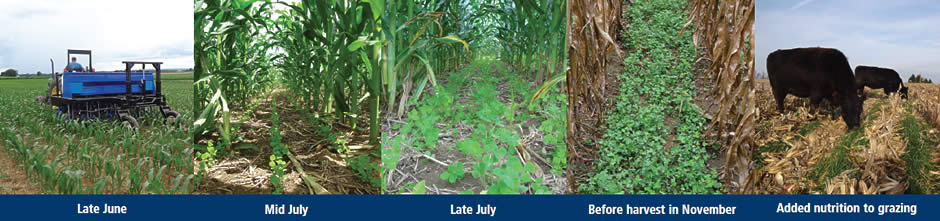
Reduced Erosion, Increased Organic Matter
Soil erosion can also be an issue on these fields unless a cover crop is established, which is difficult in northern counties. An interseeded cover crop could help to alleviate both of these issues.
Where Stalks Are Removed
An interseeded cover crop can be especially useful where corn stalks are removed for bedding, for example. In these fields, removing stalks removes carbon. Cover crops help offset carbon loss.
Fall Grazing
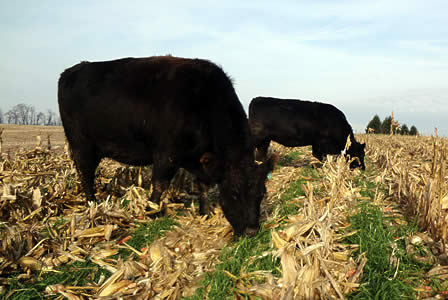
Some farmers put livestock to work grazing corn stalks. A ryegrass or ryegrass/clover cover crop is a nutritious complement to grazing corn stalks for beef or sheep. Grazing cover crops can be done in the fall or early spring. It may be necessary to fertilize the cover crop late in the summer
Nutrient Cycling
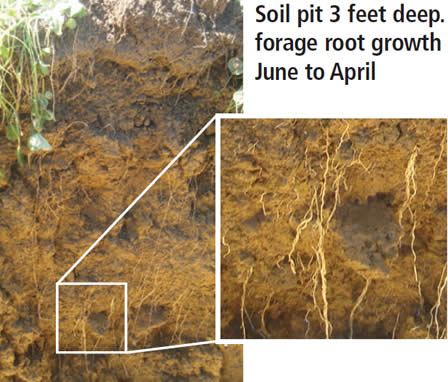
Nutrient recycling is an increasingly important practice. Cover crops make it possible, reducing fertilizer costs while helping the environment at the same time.
Spring Forage
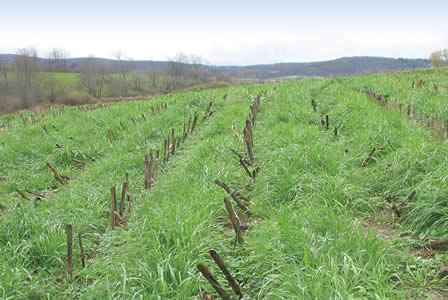
This forage crop thrives in April because it is a cover crop planted the year before as a relay cover crop in corn. Of course, the cover crops were planted with an InterSeeder™.
For Second Year Corn
An InterSeeder helps minimize potential yield loss when corn follows corn, which is common in Pennsylvania. In interseeded fields, second year corn can be planted into a legume grass mix, which provides far better growing conditions for the second year corn. If interseeding is done in row middles the first year, second year corn is best planted next to the original corn rows to avoid planting into a dense cover crop.
